
శ్రీ గోదావరి పుష్కరాలు 2027
Godavari Pushkaralu 2027 — dates, ghats, snanam, travel
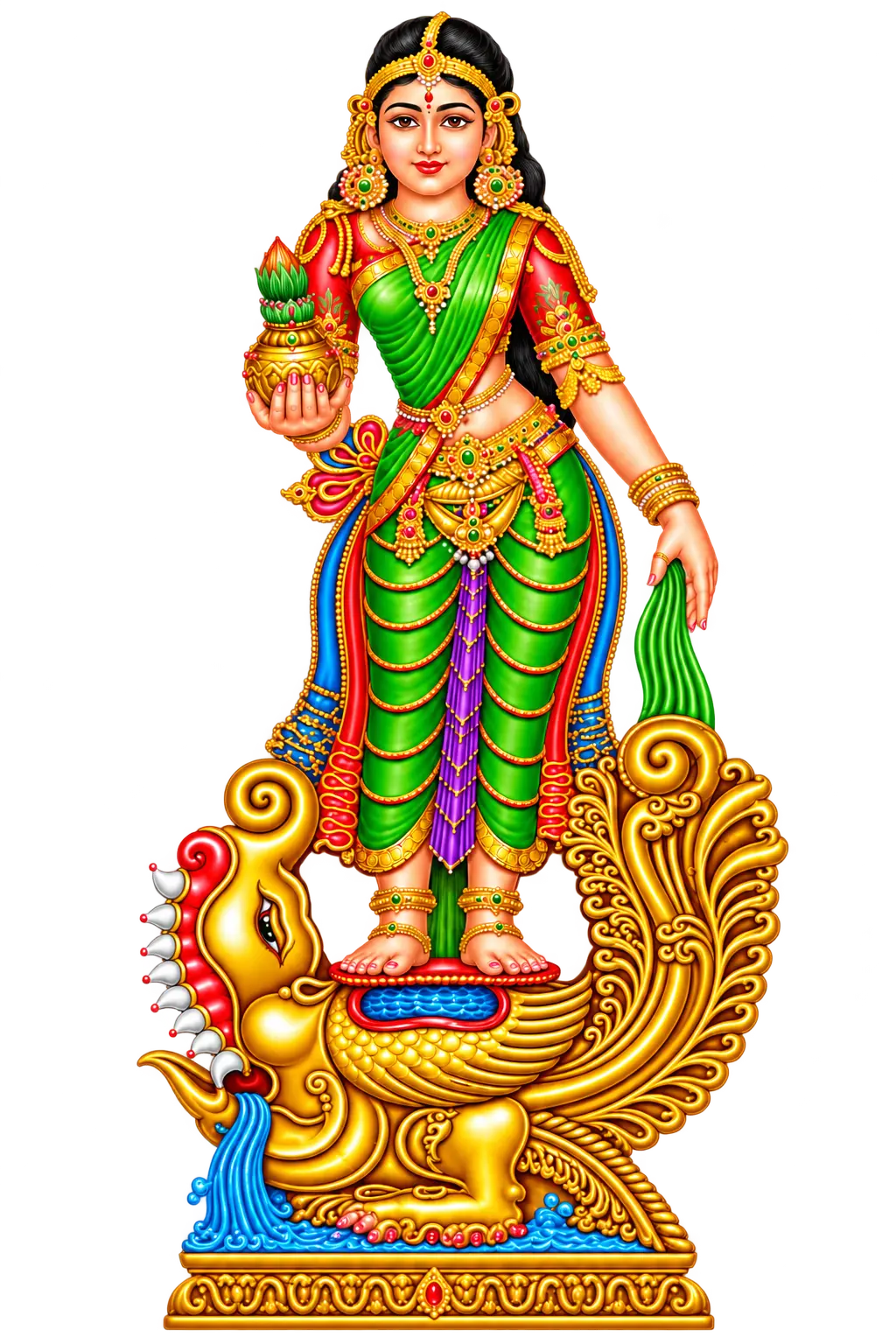
Once every twelve years, the Godavari holds the Pushkara. For twelve days in June and July of 2027, the river is considered at its most sacred, and millions of pilgrims will come to her banks. Below you'll find which ghat to choose for which ritual, the best hours to bathe, how to perform Tarpanam and Pinda Pradanam, and how to reach Rajahmundry from any major city.
Pushkaralu is a river festival, not a temple festival. It happens on the Godavari once every twelve years, and the next one begins on June 26, 2027.
The twelve-day observance is tied to Jupiter entering the zodiac sign of Leo, or Simha Rashi. According to tradition, when Jupiter moves into the Godavari's sign, the divine presence of Pushkara lives in the river for those twelve days. A bath taken in that window is said to carry the same merit as bathing in every holy river in India combined.
The last Pushkaralu was in 2015. Between eight and ten crore pilgrims are expected in 2027. To handle them, the Andhra Pradesh government is preparing 440 ghats across six districts, of which 259 are being upgraded and 181 are new. Telangana is preparing Bhadrachalam and three other sites separately.
If you are coming for the first time, two things are worth knowing up front:
Verified against Andhra Pradesh Endowments Department and district administration releases through February 2026. Updated as new information becomes available.
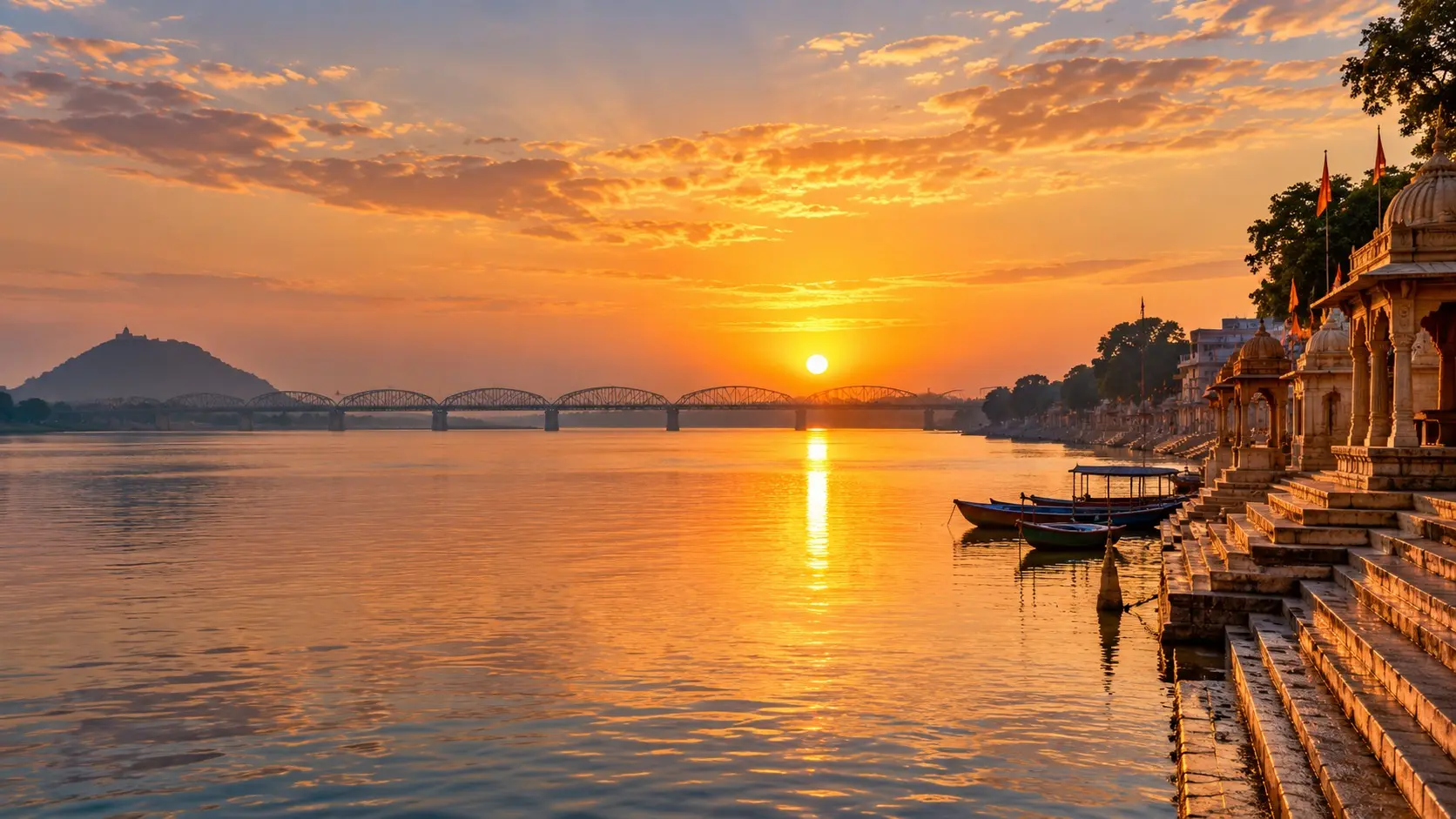
The opening day, both weekends, and Amavasya (July 3) draw the biggest crowds. The quietest days are June 28, 29, and July 5 — if you have elderly parents or small children, plan around those. Each day's exact muhurtam will be published by the district administration two weeks before the festival.
| Day | Date | What's happening | Crowd |
|---|---|---|---|
| Day 1Opening | June 26 | Jupiter enters Leo at 5:25 AM. Chief minister bathes at Rajahmundry. | Packed |
| Day 2 | June 27 | Normal bathing day. Good for first-timers. | Heavy |
| Day 3 | June 28 | First quiet day. Best window for Tarpanam. | Comfortable |
| Day 4 | June 29 | Quiet. | Comfortable |
| Day 5 | June 30 | Weekend crowd starts arriving. | Heavy |
| Day 6 | July 1 | Weekend peak. | Packed |
| Day 7 | July 2 | Pilgrims arriving early for Amavasya. | Heavy |
| Day 8Peak | July 3 | Amavasya. The most sacred day of the festival. | Packed |
| Day 9 | July 4 | Crowds ease off by afternoon. | Heavy |
| Day 10 | July 5 | Second quiet window. | Comfortable |
| Day 11 | July 6 | Closing preparations begin. | Heavy |
| Day 12Closing | July 7 | Final aarti and closing rituals. | Packed |
There are 440 ghats across six districts. Konaseema alone has 175. But almost every pilgrim ends up at one of a handful — and each one is known for something specific. Here is the map.
One more thing worth knowing. The state has marked 70 ghats as Sukhakara — gentle ghats. These have shallow steps, handrails, and lifeguards stationed closer together. They are meant for older pilgrims, pregnant women, and small children. Ask at any information counter for the nearest one.
Take the train. The Godavari Express from Hyderabad arrives at Rajahmundry at 6:15 AM, early enough to bathe the same morning. Special trains will be announced by March 2027. If you are flying, Rajahmundry Airport (RJA) is 18 km from the city centre, with limited domestic flights that get expensive fast.
| From | How | Time | Cost |
|---|---|---|---|
| Hyderabad | Godavari Express, arrives 6:15 AM | 12 hours | ₹400 – ₹1,800 |
| Hyderabad | Flight to Rajahmundry (RJA) | 1 hour | ₹3,000 – ₹8,000 |
| Chennai | Train | 12 – 14 hours | ₹500 – ₹2,000 |
| Bangalore | Train | 16 – 18 hours | ₹600 – ₹2,200 |
| Vijayawada | Train | 3 – 4 hours | ₹150 – ₹600 |
| Visakhapatnam | Train | 5 – 6 hours | ₹200 – ₹800 |
Once you are in Rajahmundry, you cannot drive your own car within a kilometre of the main ghats. Free shuttle buses run from three parking zones every eight to ten minutes, all day. TGSRTC is also running 1,568 buses a day for pilgrims coming from Telangana.
Most pilgrims do one ritual beyond the dip. Which one is up to your family and what you have come for. Here is what each one needs, and where to do it.
The dip itself. Three immersions facing east, ideally before sunrise. Best at Pushkar Ghat.
Ancestral offerings with rice, sesame, and water. Over 200 priests accredited. Dakshina ₹500–₹1,000. Best at Gowthami Ghat.
Rice-ball offerings, usually by the eldest son. Seventy ghats set aside, including Munikudali.
The vow taken before the dip. You say your name, your gotra, and why you have come.